
Follow us on:
How to Heal Childhood Trauma (Without Reliving It)

Healing childhood trauma is a deeply personal journey. For many, the idea of “healing” feels scary. They worry they have to talk about every painful detail. They fear that looking back will cause them to be trapped in the past forever. However, modern science shows us a different path. You can heal by focusing on the here and now.
The goal of trauma recovery is not to erase the past. Instead, it is to change how the past affects your body and mind today. This article explores how to heal without the need for reliving the pain. We will look at therapy, self-care, and daily habits that build a safe and happy future.
Understanding Childhood Trauma and Its Impact
Childhood trauma is not just about what happened to you. It is about how your body reacted to it. When a child feels unsafe, their brain goes into “survival mode.” This is a helpful reflex in a moment of danger. But if the danger lasts a long time, the brain can get stuck in that mode. This is called “unresolved trauma.”
Common Symptoms of Unresolved Trauma
Even years later, the “survival mode” stays active. You might notice these signs:
- Hypervigilance: You are always looking for danger, even in safe rooms.
- Emotional Flooding: You feel a huge wave of anger or sadness over a small mistake.
- Trust Issues: It feels hard to believe that people are truly kind or safe.
- The “Body Memory”: You feel physical pain or tension that has no medical cause.
The Science of the “Stuck” Nervous System
To heal without reliving the past, we must understand the nervous system. Our bodies have an “alarm system.” In trauma, this alarm is broken. It stays “on” even when the house is safe. This is why you might feel anxious even when life is going well.
The Polyvagal Theory
This theory explains how our nerves react to safety and danger. It describes three states:
- Social Engagement: When we feel safe, we can talk, laugh, and connect with others.
- Fight or Flight: When we feel a threat, our heart speeds up. We want to run or fight back.
- Freeze: If we cannot run or fight, our body shuts down. We feel numb, cold, or “spaced out.”
Healing is the process of teaching your body how to move back into the Social Engagement state. This does not require talking about the past; it requires working with your body in the present to prove that you are safe now.
Therapeutic Approaches That Don’t Require Reliving Trauma
Many people avoid therapy because they don’t want to “tell the story.” Thankfully, new therapies focus on the brain and body rather than just words.
1. EMDR Therapy
EMDR stands for Eye Movement Desensitization and Reprocessing.
- How it Works: You focus on a feeling in your body while following a light or a finger with your eyes.
- The Result: This “bilateral stimulation” helps the brain move the trauma into a “file” in the back of the mind. It becomes a memory that happened once, rather than something that feels like it is happening now.
- The Benefit: You do not have to give a detailed report of the trauma to the therapist.
2. Somatic Experiencing (SE)
This therapy focuses entirely on the body. The idea is that trauma is “stuck energy.”
- The Method: A therapist helps you notice small sensations, like a tight chest or cold hands.
- The Goal: You learn to slowly release that tension through breathing or small movements. It is a very gentle way to clear out the “survival energy” without words.
3. Brainspotting
Similar to EMDR, Brainspotting uses where you look to find where your childhood trauma is “stored” in the brain. It is a quiet, deep way to heal that respects your boundaries and doesn’t force you to talk if you don’t want to.

Somatic Practices You Can Do at Home
Since trauma lives in the body, we can use the body to heal. These are called “Somatic Exercises.” They are simple movements that calm the nervous system.
The “Vagus Nerve” Reset
The Vagus nerve is the “main highway” of your nervous system. You can calm it down in seconds:
- The Eye Shift: Keep your head straight. Look as far as you can to the right with just your eyes. Hold until you yawn, sigh, or swallow. Repeat on the left.
- Ear Massage: Gently rub the inside of your ear and the space behind it. This sends a “safety signal” to your brain.
- Cold Water: Splashing cold water on your face for 30 seconds can “reset” your heart rate and calm a panic attack.
Shaking and Releasing
Animals in the wild shake their bodies after a scary event to release stress. Humans can do the same. If you feel “keyed up” or anxious, try shaking your arms and legs for two minutes. It tells your brain the “threat” is gone.
The Window of Tolerance
A big part of healing is staying in your “Window of Tolerance.” This is the space where you can handle your emotions without becoming overwhelmed.
- Hyper-arousal: This is the top of the window. You feel anxious, angry, or panicked.
- Hypo-arousal: This is the bottom of the window. You feel numb, depressed, or empty.
- The Goal: Healing involves widening this window so you can handle more of life’s ups and downs without “falling out” into panic or numbness.
Establishing Healthy Boundaries
Many trauma survivors find it hard to say “no.” They may feel they have to keep everyone happy to stay safe.
- Protect Your Peace: Learn that you do not have to answer every text or go to every event.
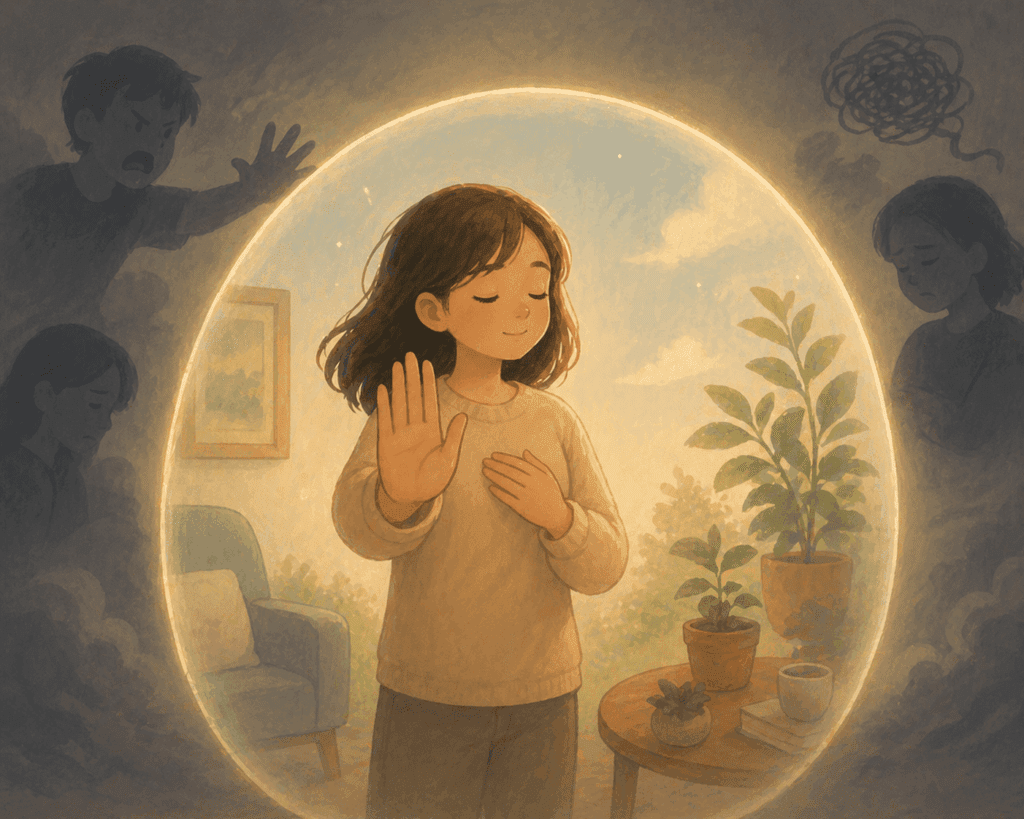
- Physical Space: It is okay to tell people if you need more personal space. Boundaries are the “walls” of your mental home.
- Emotional Distance: You do not have to share your story or your feelings with everyone. You get to choose who is safe enough to hear them.
Creative Expression as a Healing Tool
Because trauma often happens before we have the words to describe it, it can be “wordless.” Creative tools allow that energy to come out in a safe way.
Art Therapy
Drawing or painting can help you express big feelings through colors and shapes. It lets the subconscious speak without the pressure of language.
Journaling (The “Current” Method)
Writing can be very healing if done correctly. Instead of focusing on the past, try writing about how you feel today. You can also practice gratitude by listing three good things that happened during your day, as this simple habit helps rewire your brain to notice safety and joy more easily.
Music and Dance
Music can change your mood in minutes. Dancing helps you reconnect with your body in a fun, safe way. It moves the “stuck” energy out of your muscles.
Building a Personal “Safety Plan”
A safety plan is a list of things you can do when you feel a “trigger.” A trigger is anything that reminds your body of the past or your childhood trauma—a loud noise, a certain smell, or a tone of voice.
Step 1: Identify Your Triggers
Keep a list of things that make you feel “flooded” or “numb.” Knowing your triggers is the first step to managing them.
Step 2: Use Grounding Tools
When a trigger happens, use the 5-4-3-2-1 Technique:
- 5 things you can see.
- 4 things you can touch.
- 3 things you can hear.
- 2 things you can smell.
- 1 thing you can taste.
Step 3: Find a “Safe Space”
This can be a real place or a “mental” place. Close your eyes and imagine a place where nothing can hurt you. Use all your senses to make it real.
Nutrition and the Brain-Gut Connection
What you eat can actually help you heal from trauma. The gut and the brain are connected by the Vagus nerve.
- Inflammation: High-sugar foods can cause inflammation, which makes anxiety worse.
- Brain Fuel: Omega-3 fatty acids (found in fish or walnuts) help the brain stay healthy and resilient.
- Hydration: Dehydration can make you feel tired and irritable, making it harder to manage your emotions.
Creating a Routine for Long-Term Healing
A predictable life is a safe life for a trauma survivor. By creating a routine, you tell your nervous system that it can relax because it knows what is coming next.
Structured Days
- Morning Ritual: Start with a glass of water and five deep breaths.
- Consistent Sleep: Go to bed at the same time. This helps your brain regulate its “stress clock.”
- Achievable Goals: Do not try to change your whole life in one day. Focus on small wins, like making your bed or taking a ten-minute walk.
Restoring Joy
Trauma can take away your sense of play. Part of healing is finding what makes you happy today. Whether it is a hobby, a pet, or a favorite movie, make time for joy. Joy is the opposite of trauma.
Why This Path Works Better Than Talk Therapy Alone
Healing without reliving the past works because it addresses the root of the problem: the body’s survival system. Talking about trauma can sometimes “re-traumatize” you. It can make the brain think the danger is happening again.
The Benefits:
- Safety: You don’t have to face memories you aren’t ready for.
- Speed: Body-based therapies often work faster than years of talk therapy.
- Power: You learn tools that you can use anywhere. You become your own healer.
The Role of Community and Connection
While healing is a personal journey, we aren’t meant to do it entirely alone.
- Support Groups: Hearing others talk about their current feelings (without needing to hear their trauma story) can make you feel less alone.
- Safe Relationships: Learning to be around people who respect your boundaries is a huge part of recovery.
- Animals: Pets are often the first “safe” connection for trauma survivors. They provide unconditional love without the pressure of conversation.
Reclaiming Your Identity
Trauma often makes people feel like they are their past. Healing allows you to see that you are much more than what happened to you.
- The “I Am” Exercise: Instead of saying “I am a victim,” try saying “I am someone who is building a safe life.”
- Values: Focus on what matters to you now—kindness, creativity, or strength. Your values are the compass that leads you away from the past.
Navigating Setbacks
Healing is not a straight line. There will be days when you feel “stuck” or triggered again.
- Self-Compassion: Do not be hard on yourself if you have a bad day. It is a sign that your body is still trying to protect you.
- Small Steps: On hard days, shrink your goals. If you can’t go for a walk, just sit outside for two minutes. Every small step counts.
The Future: Life After Healing
What does “life after healing” look like? It doesn’t mean the past never happened. It means the past no longer controls you.
- Freedom: You can go to a party or start a new job without the “alarm” going off.
- Peace: You can sit in a quiet room and feel calm instead of anxious.
- Joy: You can laugh and feel happy without waiting for the “other shoe to drop.”
Conclusion: Your Journey to Freedom
Healing childhood trauma is a brave act. It is a journey from fear to freedom. By choosing therapies like EMDR, practicing somatic exercises, and using grounding tools, you are taking back your life.
Remember these key steps:
- Be Kind to Yourself: You didn’t choose the trauma, but you are choosing the healing. Be patient with your progress.
- Focus on the Present: Remind yourself: “I am safe right now. I am in control.” Use your senses to anchor yourself.
- Seek Support: You don’t have to do this alone. Reach out to a trauma-informed professional or a supportive community.
You have the power to write a new story. A story where you are safe, strong, and full of peace. The path to a better you starts with a single deep breath and a single choice to stay in the present, and if you need guidance, you can reach out for support here. You have survived the past; now it is time to enjoy the present. You are worth the effort, and a life of joy is waiting for you. Go out and start building that life today, and you can also continue your journey by using our app on App Store or Google Play whenever you need support.
FAQs (Frequently Asked Questions)
What are common symptoms and effects of unresolved childhood trauma?
Unresolved childhood trauma can manifest through emotional dysregulation, hypervigilance, trust issues, and physical symptoms such as headaches and digestive problems. These effects shape emotional responses and triggers well into adulthood.
How does EMDR therapy help in healing childhood trauma without reliving painful memories?
EMDR (Eye Movement Desensitization and Reprocessing) therapy uses bilateral stimulation techniques like eye movements or tapping to process trauma safely without revisiting traumatic details. This approach benefits individuals dealing with major traumas as well as smaller emotional wounds such as anxiety or neglect.
What self-care strategies support healing childhood trauma without reliving it?
Effective self-care strategies include mindfulness exercises like meditation and deep breathing to regulate emotions and reduce stress, setting healthy boundaries to foster safety and reduce hypervigilance, and engaging in physical activities that support mental health and body awareness.
How can creative expression aid in healing childhood trauma?
Creative therapies such as journaling, painting, music, and dance provide safe outlets to express difficult emotions without verbalizing trauma details. These forms of creative expression facilitate emotional release and insight, supporting the healing process.
Why are supportive relationships important in trauma recovery?
Building supportive relationships helps overcome trust issues by gradually fostering safe connections with others and oneself. Joining support groups or workshops offers shared experiences and encouragement, while community connections enhance emotional resilience and personal growth.
What practical grounding techniques help manage distress related to childhood trauma in daily life?
Simple grounding exercises like focusing on the senses or controlled breathing can effectively manage flashbacks or overwhelming emotions. Recognizing personal triggers through self-reflection and incorporating grounding methods into daily routines help maintain emotional balance during recovery.