
Follow us on:
Child Anxiety Symptoms: The Quiet Signs Parents Miss

Child Anxiety Symptoms: The Quiet Signs Parents Miss
Child anxiety is more than just being a little nervous. It is a deep fear or worry that gets in the way of a child’s daily life. It is one of the most common mental health challenges for kids today. Studies show that anxiety affects up to 20% of children, and understanding child anxiety symptoms is essential for early support. This makes it a major concern for parents and teachers.
Recognizing child anxiety can be very hard. Many signs are quiet and easy to miss. Parents often think a child is just “shy” or “going through a phase.” This can delay help. When help is delayed, the anxiety can grow worse. Knowing the signs early is the best way to help your child feel better. This article looks at the hidden signs of anxiety and how you can help.
Understanding the Different Types of Anxiety
Anxiety is not the same for every child. It can show up in many different ways. By learning the types, you can see what your child is going through.
1. Separation Anxiety
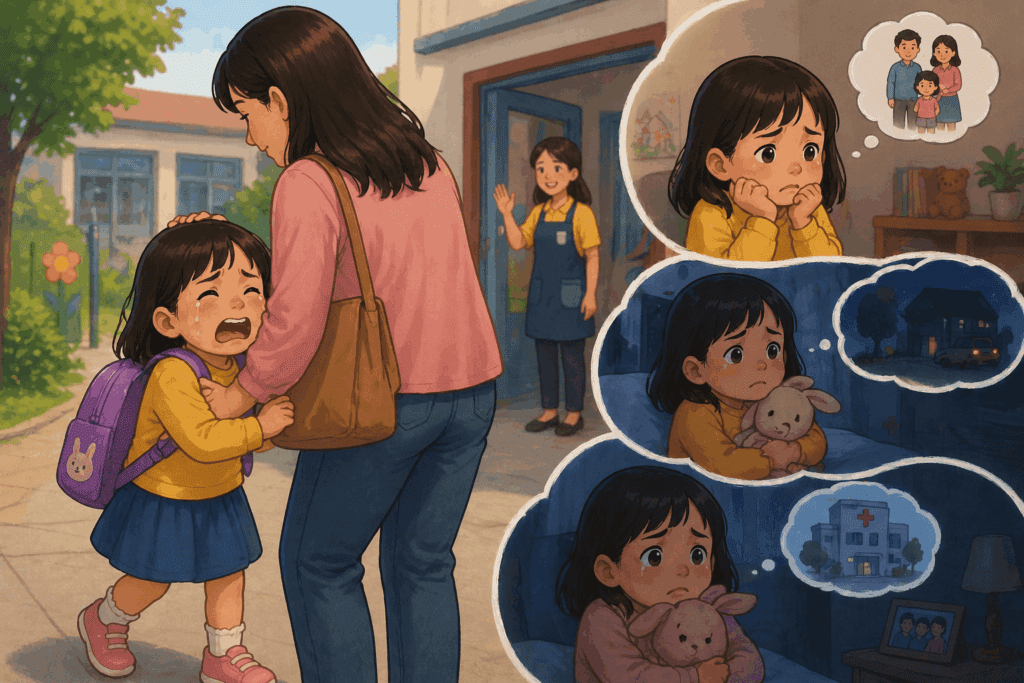
This is common in younger kids. It is a deep fear of being away from parents. A child might cry when dropped off at school. They might worry that something bad will happen to their family while they are apart.
2. Social Anxiety
Kids with this type are very scared of being judged. They might avoid group play. They often struggle to speak in class. For them, meeting new people feels like a threat rather than fun.
3. Generalized Anxiety (GAD)
This is “all-over” worry. A child might worry about grades, the weather, or things they see on the news. This worry is hard to stop. It often makes it hard for them to sleep or focus.
4. Phobias
These are intense fears of one thing. It could be dogs, bugs, or the dark. Unlike a normal fear, a phobia makes a child feel a huge amount of panic.
The Physical Signs You Might Miss
Anxiety often talks through the body before it talks through words. Because kids don’t always know they are anxious, they complain about physical pain.
Frequent Stomachaches and Headaches
The brain and the gut are linked. When a child is worried, their body goes into “fight or flight” mode. This can cause real pain in the stomach. If your child has a tummy ache every Sunday night before school, it might be anxiety. Headaches are also common. They often come from tight muscles in the neck and head.
Feeling Very Tired
Anxiety is draining. It takes a lot of energy to worry all day. You might notice your child seems lazy or tired even if they slept well. This is because their mind is working overtime.
Changes in Eating and Sleep
Some kids stop eating because they feel sick to their stomach. Others might eat more to try and feel safe. Sleep is also a big clue. An anxious child might have trouble falling asleep. They might have bad dreams that keep them awake. They may also start coming into your bed at night even if they used to sleep alone.
Emotional and Behavioral Changes
Anxiety changes how a child acts. It is not just about being sad. It often looks like being “difficult” or “naughty.” In many cases, children do not have the words to explain what they are feeling inside. As a result, their behavior becomes the only way they can express their fear or stress.
Constant “What If” Questions
Anxious kids often ask the same questions over and over: “What if you’re late to pick me up?” “What if the teacher is mean?” “What if it rains?” They are looking for safety in your answers. This constant need for reassurance comes from a fear of the unknown and a desire to feel in control. Over time, this pattern can become a habit if their worries are not gently addressed.
Anger and Outbursts
This is the sign parents miss most. Anxiety can look like a temper tantrum. When a child feels out of control inside, they might lash out. They get frustrated easily. Small things make them blow up. This is because their “stress cup” is already full.
Being Very Clingy
A child might follow you from room to room. They might cry if you go to the store. This clinginess is a search for safety. They feel that as long as they are with you, nothing bad can happen.
Anxiety at Different Ages
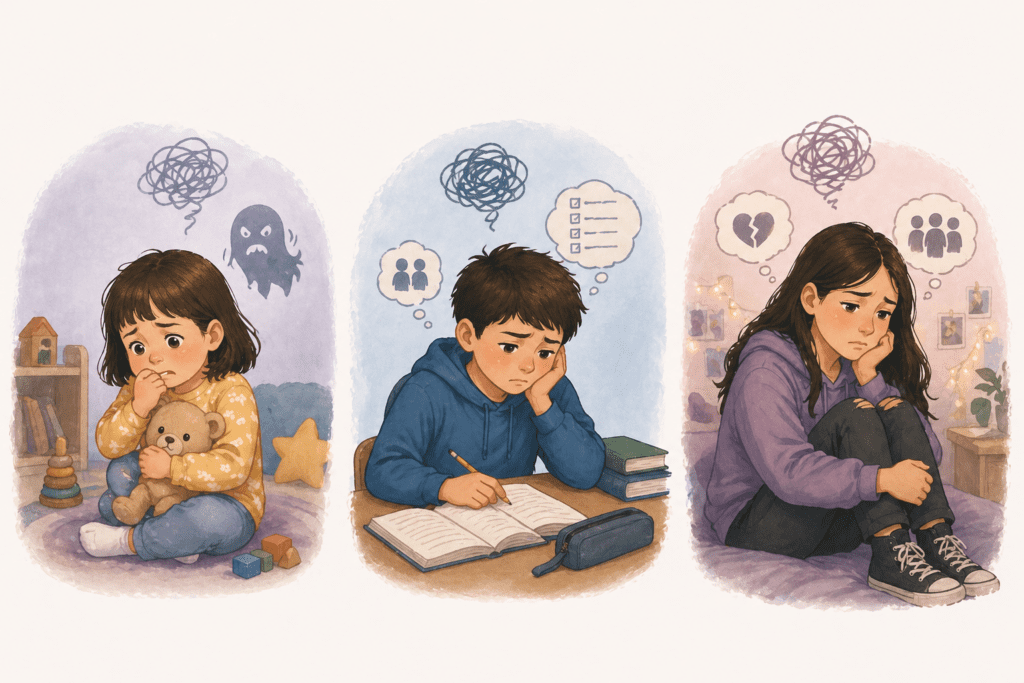
As kids grow, their anxiety changes. What looks like anxiety in a toddler is different from a teen.
Younger Children (Ages 3-7)
At this age, anxiety is very physical. You will see more crying, tantrums, and “velcro” behavior. They might stop doing things they used to do, like using the potty or sleeping alone.
School-Aged Kids (Ages 8-12)
Now, anxiety moves to school and friends. They might worry about being “perfect.” They may fear failing a test or making a mistake. You might notice they try to avoid school or social events.
Teenagers (Ages 13-18)
Teens often hide their anxiety. They might withdraw to their rooms. They may become very irritable. At this stage, anxiety can lead to panic attacks. They might feel like their heart is racing or they can’t breathe.
Common Causes of Child Anxiety
Why do some kids get anxious? It is usually a mix of a few things.
Genetics and Family
Anxiety can run in the family. If a parent is anxious, a child is more likely to be anxious too. Part of this is DNA. Part of it is seeing how parents react to stress.
Life Changes and Stress
Moving to a new house or a new school can trigger anxiety. Family fights or a divorce can also make a child feel unsafe. Even happy changes can be stressful for a child who likes routines.
School and Social Media
School is a big source of stress. Bullying or hard lessons can cause a child to worry. Today, social media also plays a role. Even younger kids see things online that can be scary. They might feel they have to look or act a certain way to fit in.
When Should You Seek Professional Help?
It can be hard to know when to call a doctor. Most kids have “worries,” but when is it too much?
The “Six Week” Rule
If your child’s anxiety lasts for more than six weeks, it is time to seek help. Also, look at how much it stops them from living. Can they go to school? Can they play with friends? If they are missing out on life, they need support.
Escalating Signs
If you see new signs, like panic attacks or refusing to eat, do not wait. Call your doctor or a child therapist. Early help is the best way to stop anxiety from becoming a lifelong problem.
How Professionals Treat Anxiety
There are many ways to help an anxious child. The most common way is called CBT.
Cognitive Behavioral Therapy (CBT)
This is a type of talk therapy. It helps kids see their “worry thoughts” and change them. They learn that just because they think something bad will happen, it doesn’t mean it will. They learn how to be “thought detectives.”
Play Therapy
For younger kids, therapists use play. Drawing, using puppets, or playing games helps kids show how they feel. Since they can’t always explain their feelings, play is their language.
Supporting Your Child at Home
You are the biggest part of your child’s recovery. You can help them build a “toolbox” of coping skills.
1. Validate Their Feelings
Never say “Don’t be silly” or “There’s nothing to worry about.” This makes them feel unheard. Instead, say: “I see that you are feeling worried. That must feel really hard. I am here for you.”
2. Create a “Worry Time”
Set aside 10 minutes a day to talk about worries. Outside of this time, try to focus on fun things. This teaches the child that they don’t have to worry all day long.
3. Use Grounding Tools
Teach your child the 5-4-3-2-1 rule. When they feel panic, have them name:
- 5 things they see.
- 4 things they can touch.
- 3 things they hear.
- 2 things they smell.
- 1 thing they taste.
4. Practice Deep Breathing
Teach them to “smell the flower and blow out the candle.” Deep breaths tell the brain that the body is safe. It is a simple tool they can use anywhere.
The Goal: Resilience, Not Perfection
The goal of helping an anxious child is not to take away all worry. Worry is a normal part of life. The goal is to give them the tools to handle it. You want your child to know that they are brave enough to face hard things. By building these skills, you help them grow stronger and more confident over time.
Why Early Help Matters
When we help kids early, we change their future. They learn how to handle stress before they become adults. They build resilience, the ability to bounce back when things get tough. Over time, this strength helps them face challenges with confidence and adapt to life’s ups and downs.
Conclusion
Child anxiety symptoms can be quiet, but they are very real. By watching for stomachaches, sleep changes, and “what if” questions, you can catch anxiety early, and if you need more support, you can learn more about child anxiety symptoms. Remember to listen with an open heart. Be patient with your child. It takes time to learn how to manage big feelings.
Take a small step today. Talk to your child about their feelings. Use a simple routine to make them feel safe. If you are worried, reach out to a professional, you can click here for our location if you need support nearby. You do not have to do this alone. Your support is the most important gift you can give your child. Together, you can help them turn their worries into strength. With the right tools, every child can find their way back to a happy and calm life.
FAQs (Frequently Asked Questions)
What are common symptoms and signs of anxiety in children?
Common symptoms of child anxiety include frequent stomachaches, headaches, fatigue, changes in appetite, sleep disturbances such as trouble falling asleep or waking with bad dreams, physical tension, frequent toilet use, constant worrying, anger outbursts, excessive crying, clinginess especially in younger children, separation anxiety, difficulty concentrating, and increased irritability.
What types of anxiety disorders affect children and how do they differ by age?
Children can experience various anxiety disorders including separation anxiety disorder, social anxiety disorder, generalized anxiety disorder, phobias, and panic disorder. Anxiety manifests differently based on a child’s age and developmental stage; for example, younger children often show separation anxiety symptoms while older children and teenagers may worry about school performance and social acceptance.
What causes childhood anxiety and what risk factors should parents be aware of?
Childhood anxiety can be influenced by genetic predisposition, parental anxious behaviors, stressful life events such as moving homes, family conflicts, illness or injury, and school-related stressors like bullying or rejection. Understanding these causes helps in recognizing potential triggers for child anxiety.
When should parents seek professional help for their child’s anxiety symptoms?
Parents should seek professional evaluation if their child’s anxiety symptoms are persistent or worsening over time. Early recognition of signs such as ongoing worry, behavioral changes, or physical symptoms that interfere with daily functioning warrants consultation with a mental health professional.
What treatment options are available for childhood anxiety?
Effective treatments for child anxiety include counseling approaches like cognitive-behavioral therapy (CBT), which teaches coping skills and addresses fears. Early intervention using these therapies can significantly improve long-term outcomes for anxious children.
How can parents support an anxious child at home?
Parents can support their anxious children by fostering open communication about feelings, encouraging expression of emotions without judgment, providing reassurance, maintaining consistent routines to reduce stressors, and being vigilant in recognizing subtle signs of anxiety to enable timely intervention.